






Nobody prepared you for midlife dating either.
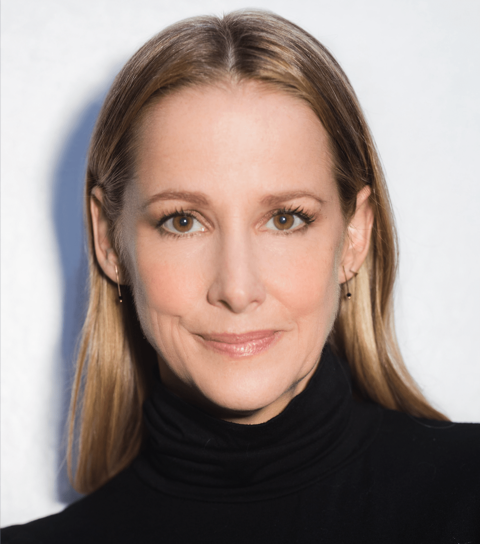
Whether you are re-entering the dating world after a long marriage, a loss, or simply deciding it is time — this episode is your roadmap. Jill sits down with Alyssa Dineen, personal stylist, midlife dating coach, and author of The Art of Online Dating, for the most honest conversation about love after 50 that Afterpause has ever had. Jill also shares her own story of re-entering the dating world nine years ago — in the middle of perimenopause, after 25 years of marriage and five kids — and what she learned along the way.
They cover the Date Vanilla mindset, emotional readiness, profile strategy, which apps actually work, green flags women miss, ghosting, first date styling, and what to do when you have been at this for a year and are losing hope.
Love is possible at any age. This episode will help you believe it — and act on it.
Read More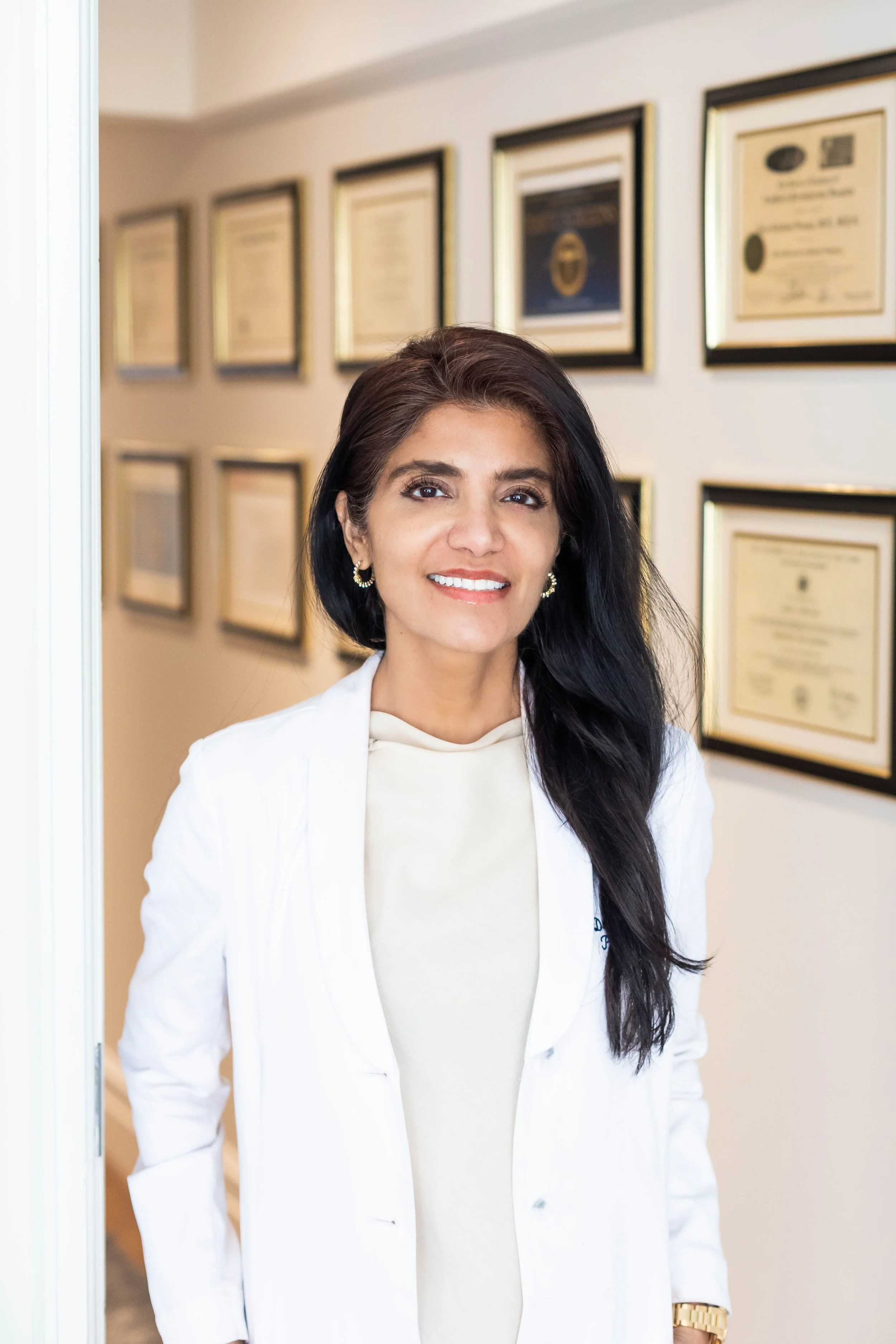
What does it actually take to look refreshed—not overdone—as you age? In this episode of Afterpause, Jill sits down with renowned plastic surgeon Dr. Lara Devgan to demystify plastic surgery and aesthetic treatments for women over 50. They explore facelifts, neck lifts, eyelid surgery, suture suspension, injectables, lasers, biostimulators, and skincare, including how to address tired-looking eyes, puffiness, hollowness, and facial volume loss. Dr. Devgan also shares how to choose the right plastic surgeon, red flags to watch for, and how to create a long-term beauty plan that thoughtfully combines surgery, noninvasive treatments, and evidence-based skincare.
Read More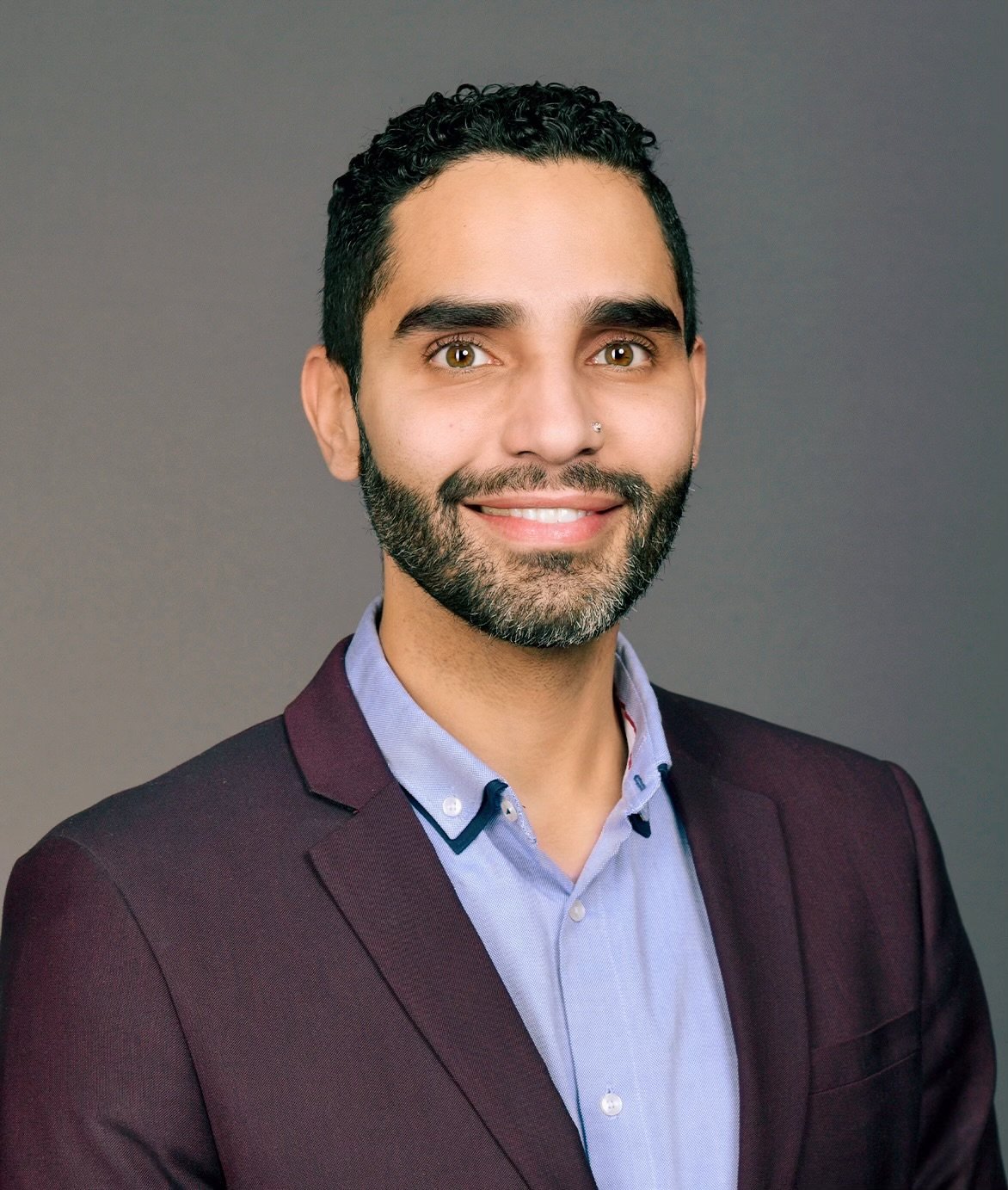
Over 50% of postmenopausal women experience significant hair loss. Most are dismissed by their providers, misdiagnosed, and spending hundreds of dollars on products that deliver no results. Most have never had a proper hair loss workup from a specialist who actually understands the postmenopausal picture.
Board-certified dermatologist and hair loss specialist Dr. Omer Ibrahim joins the Afterpause with Jill Foos Podcast for the most comprehensive, evidence-based, and actionable conversation on postmenopausal hair loss you will find anywhere. Dr. Ibrahim treats hair loss every single day, in women, at every stage of the menopausal transition, and he is here to give you the truth that most providers are not telling you.
In this episode we cover the biology of hair loss at menopause and what is actually happening hormonally in your follicles. We break down the specific types of hair loss — androgenetic alopecia, telogen effluvium, alopecia areata — and why getting the right diagnosis changes everything about your treatment plan. We explain DHT and why estrogen loss amplifies its destructive effect on your follicles even when your testosterone has not changed. We walk through the complete lab panel every postmenopausal woman with hair loss should be requesting — including ferritin, full thyroid, DHT, DHEA-S, and more — and when a scalp biopsy is indicated and what it tells you that labs cannot.
We cover the full spectrum of treatment options — in-office treatments including PRP, exosomes, Alma TED, and low-level laser therapy; medications including oral minoxidil, finasteride, dutasteride, spironolactone, and how HRT intersects with hair loss treatment; topicals including Rogaine, compounded formulas 82M, 82F, and 82D, the iPSC exosome topical formula, and rosemary oil.
We cut through the social media overwhelm — scalp serums, caffeine shampoos, Nizoral, Kérastase, The Ordinary Multi-Peptide Serum, Neutrogena Hair Restore, OneSkin OS-Hair, and the Hers minoxidil gummy — with the honest clinical bottom line on what is worth your money and what is not.
And we close with exactly what to do this week if you have been losing hair for years and still have no answers.
Jill also shares her own 30-year hair loss journey and the equation she has built that finally works.
If you have been told your hair loss is just aging and there is nothing to do — this episode will change everything.
Read More


Heart disease is the number one killer of women. Not breast cancer. Not ovarian cancer. Heart disease.
And yet most women — and many of their doctors — still don't recognize it in time. Because heart disease in women doesn't look the way we've been taught. No crushing chest pain. No dramatic collapse. Instead: fatigue, jaw pain, nausea, GI upset. Symptoms so commonly dismissed as anxiety or perimenopause that women leave emergency rooms undiagnosed, undertreated, and in danger.
After 29 years as a hockey mom, I've heard the same heartbreaking story too many times. A woman in her 50s. Gone. And her family saying the same thing every time — "it was out of nowhere." It wasn't. Heart attacks don't just show up. They've been brewing for years. No one looked.
That changes today.
In this episode, I sit down with Dr. Jayne Morgan — one of the country's leading cardiologists and a fierce advocate for women's cardiovascular health — to talk about what your doctor may not be telling you, what symptoms you should never ignore, and exactly what to do right now to protect your heart through menopause and beyond.
This is the conversation that could save your life.
Read More

For the women whose menopause didn't arrive naturally, it arrived with a diagnosis. Jill Foos talks with Sharsharet CEO Elana Silber about navigating breast cancer, ovarian cancer, and menopause simultaneously, and what survivors are not being told on the Health Trip Podcast.
Read More
NAD+ declines significantly after menopause — and it may be the reason behind your fatigue, brain fog, and metabolic changes that nothing seems to fix.
In this episode of Afterpause with Jill Foos, Dr. Jin-Xiong She — founder of Jinfiniti Precision Medicine, Distinguished Research Professor at Augusta University, and one of the world's leading NAD+ researchers — explains why intracellular NAD+ testing is the only way to know where your levels actually are and what to do about it.
Dr. She has authored more than 400 peer-reviewed publications, secured over $100 million in research funding, and holds multiple patents in precision medicine and metabolic health.
In this episode:
Why NAD+ drops so dramatically after menopause
What low NAD+ actually feels like in your body
Intracellular testing versus guessing
NR versus NMN — what the science says
How to dose correctly based on your results
Why most women are supplementing wrong
This is precision medicine for midlife women.
Read More
Menopause at Work: Why Midlife Women Are Leaving the Workforce — and What to Do About It
Most workplaces are completely unprepared for menopause — and the cost of ignoring it is quietly devastating careers, teams, and the bottom line.
In this episode of the Health Trip Podcast, I sit down with Kim Hart and April Haberman, co-founders of MiDOViA and certified health coaches specializing in midlife women's health and workplace wellness. Together, we tackle one of the most overlooked intersections in women's health today: menopause and the workplace.
Women often reach the height of their professional experience and leadership exactly when the menopause transition begins. Brain fog, sleep disruption, anxiety, and other symptoms don't clock out at 9am — and most organizations have no framework, no language, and no support in place for the women carrying them through the workday.
The result? Talented, experienced women are quietly stepping back, stepping down, or stepping out entirely — at the moment their organizations need them most.
This conversation is for the corporate executive managing hot flashes in the boardroom, the woman re-entering the workforce in her 50s, and everyone building something new in midlife. Wherever you are, you can be the one to start this conversation where you work.
In this episode:
Why menopause and peak career performance collide — and what's at stake
The real economic cost of losing midlife women from the workforce
What forward-thinking organizations are doing differently right now
How to start the menopause conversation at your own workplace
What an ideal work environment for midlife women actually looks like

Most women enter menopause expecting hot flashes. What nobody tells you: menopause is also a window of increased vulnerability to cardiovascular disease, metabolic syndrome, autoimmune conditions, cognitive decline, osteoporosis, and cancer.
Menopause doesn't cause all of these — but it accelerates them in women with underlying vulnerabilities that have been building for decades, undetected.
The women who navigate menopause best aren't just asking what am I feeling. They're asking why.
Dr. Derek Guillory is a board-certified emergency medicine physician, one of the first certified functional medicine practitioners in Texas, and founder of Root Causes Medicine in San Antonio — built around the question most doctors never answer: Why am I sick?
In this episode:
Why menopause accelerates disease risk
The link between inflammation and your hormonal transition
Symptom management vs. true prevention
What functional medicine finds that conventional medicine misses
How to advocate for yourself in midlife
If you've ever felt dismissed or like something deeper is going on — this one's for you.
Read More
Most women in menopause are focused on the wrong cancer.
Colorectal cancer is now the number one cause of cancer death in adults under 55 — and rates are rising 3% every year in people aged 20 to 49. For midlife women navigating perimenopause and post-menopause, the risk window is right now. And almost nobody is connecting these dots.
In this episode of the Health Trip Podcast, Jill Foos sits down with Dr. Faris Murad — board-certified gastroenterologist, Mayo Clinic-trained, and founder of Santé Integrated Health & Wellness on Chicago's North Shore — for one of the most important and overlooked conversations in women's midlife health.
What menopause actually does to your gut, your colon, and your microbiome. Why the GI symptoms you've been experiencing since perimenopause started are not in your head. What a polyp actually is and what it means when one is found during screening. Why the colonoscopy prep is no longer the barrier it used to be. And the data point that will genuinely stop you — the Women's Health Initiative found a 37% reduction in colorectal cancer risk among women on combined hormone therapy. This benefit is almost never part of the HRT conversation. It should be.
Dr. Murad breaks down the estrobolome — the gut's hidden estrogen-metabolizing system — and explains why it becomes dysregulated in menopause, compounding hormonal decline and driving symptoms most women attribute to aging. He explains the full landscape of colorectal cancer screening options beyond colonoscopy, including FIT tests, Cologuard, and virtual colonoscopy, and walks through modern prep options that make the experience significantly more tolerable than most women expect.
He also addresses the data connecting hormone replacement therapy to meaningful colon cancer risk reduction — evidence that most clinicians and patients have never discussed — and explains why midlife women with the highest genetic risk may benefit the most from HRT's protective effect on the colon.
This is the episode that makes you schedule the screening you have been putting off. Early detection is almost always curative. Waiting for symptoms is not a strategy.
Read More
Desire is one of the most under-addressed topics in the menopause conversation — and one of the most important. In this episode of the Health Trip Podcast, Jill Foos sits down with Holly Randall, world-renowned erotic photographer, director, producer, AVN Hall of Fame inductee, and host of the Holly Randall Unfiltered podcast, for an honest, evidence-based conversation about reclaiming sexual pleasure in midlife.
Sexual health and pleasure are core pillars of midlife wellness alongside sleep, nutrition, exercise, and stress management. The evidence is clear: sexual pleasure, alone or partnered, improves cardiovascular health, boosts immune function by 30%, supports mental health, relieves pain, improves sleep, and maintains pelvic floor health — making it one of the most powerful and underutilized tools in a midlife woman's health toolkit.
For most women, the barrier isn't physical. It's permission. Permission to want pleasure. Permission to pursue it. Permission to explore tools that feel unfamiliar — or taboo. For decades, pornography was made by men, for men, reflecting the male gaze and leaving most women cold. That stigma is real — and it makes sense. Women were never the intended audience.
But that is changing. A growing world of erotic content is now being made by women, directed by women, and designed for women — aesthetically beautiful, emotionally resonant, and created to turn you on in a way that feels safe, exciting, and entirely yours.
For midlife women navigating menopause, declining estrogen, declining testosterone, and reduced spontaneous desire, erotic content can be a powerful tool for re-engaging the brain's role in arousal. Desire in midlife is often responsive — you need a reason to want it. The right erotic content can be that reason.
Holly Randall grew up at the center of this world. Her mother, Suze Randall, was the first female photographer to shoot for Playboy, Hustler, and Penthouse. Holly went on to build her own empire championing erotic content that centers women's pleasure — and was inducted into the AVN Hall of Fame in 2024. AVN stands for Adult Video News, the industry's equivalent of the Oscars.
This episode is about giving yourself permission to explore a side of yourself that has always been there — part curiosity, part hunger — but never quite felt safe enough to come forward.
Read More