
Subscribe to Afterpause with Jill Foos Podcast





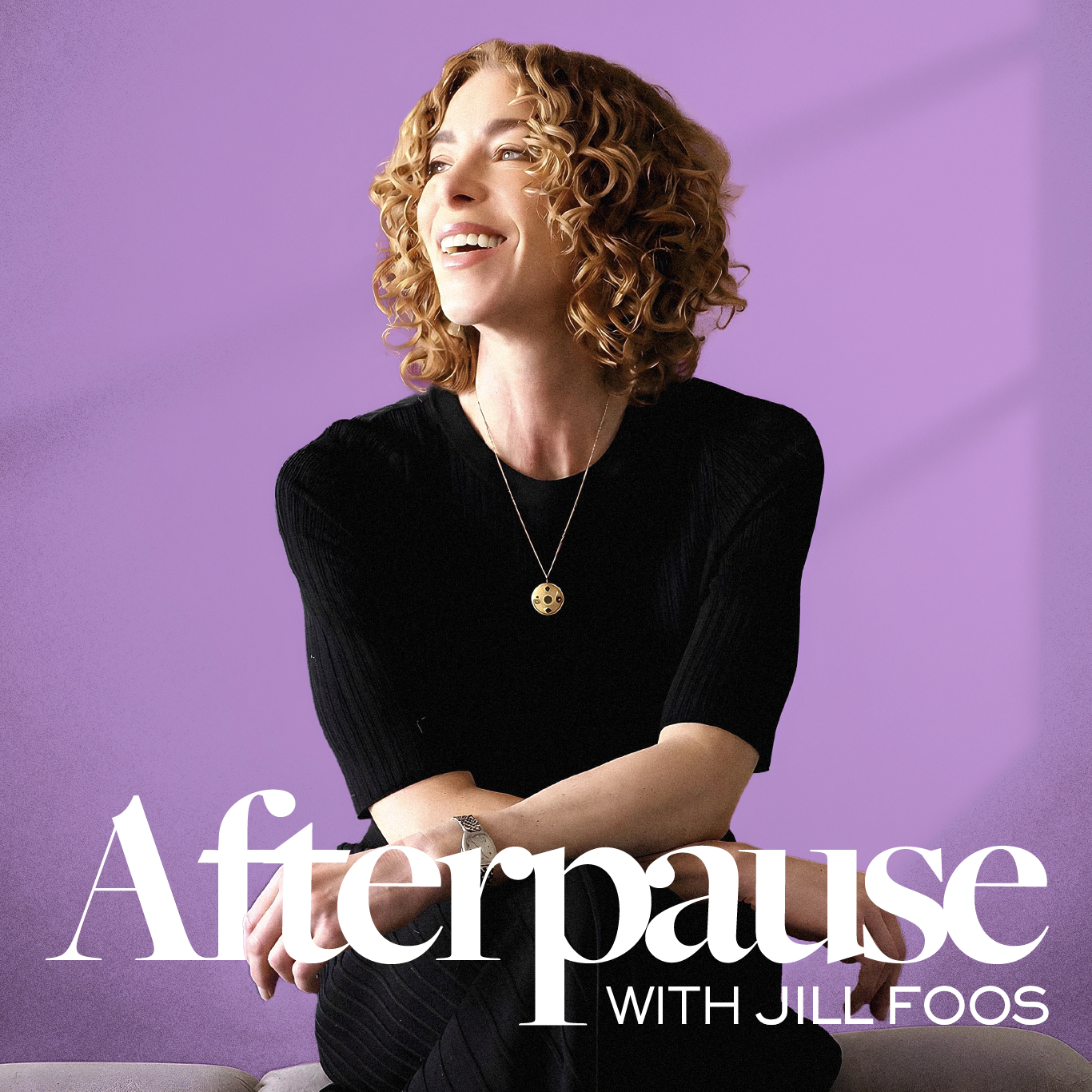
Nobody prepared you for midlife dating either.
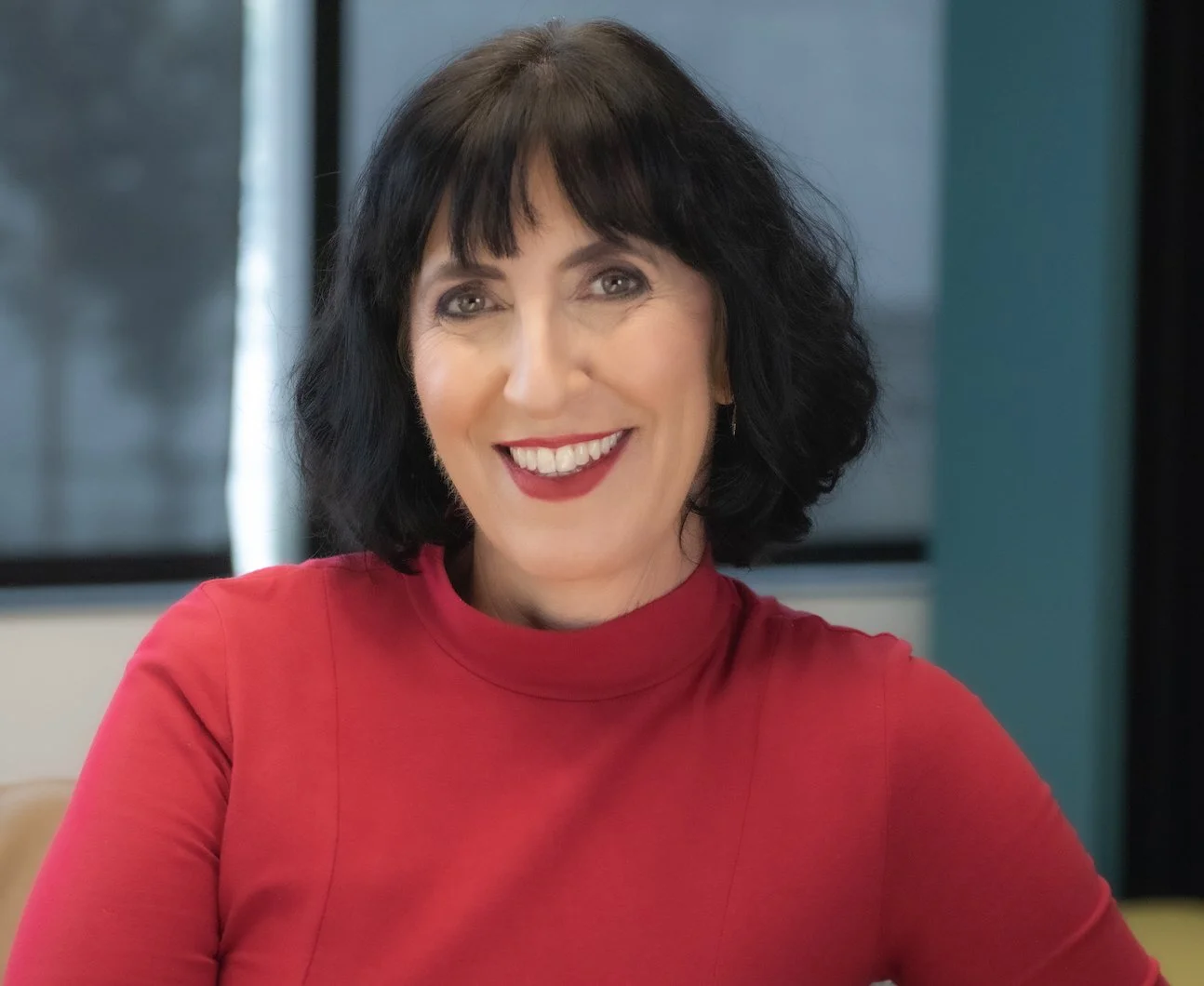
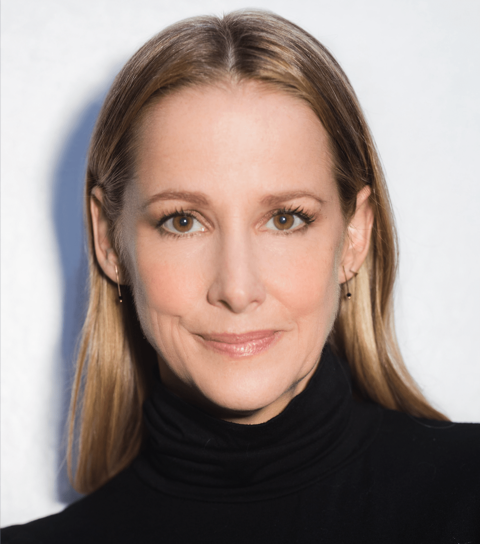
Whether you are re-entering the dating world after a long marriage, a loss, or simply deciding it is time — this episode is your roadmap. Jill sits down with Alyssa Dineen, personal stylist, midlife dating coach, and author of The Art of Online Dating, for the most honest conversation about love after 50 that Afterpause has ever had. Jill also shares her own story of re-entering the dating world nine years ago — in the middle of perimenopause, after 25 years of marriage and five kids — and what she learned along the way.
They cover the Date Vanilla mindset, emotional readiness, profile strategy, which apps actually work, green flags women miss, ghosting, first date styling, and what to do when you have been at this for a year and are losing hope.
Love is possible at any age. This episode will help you believe it — and act on it.
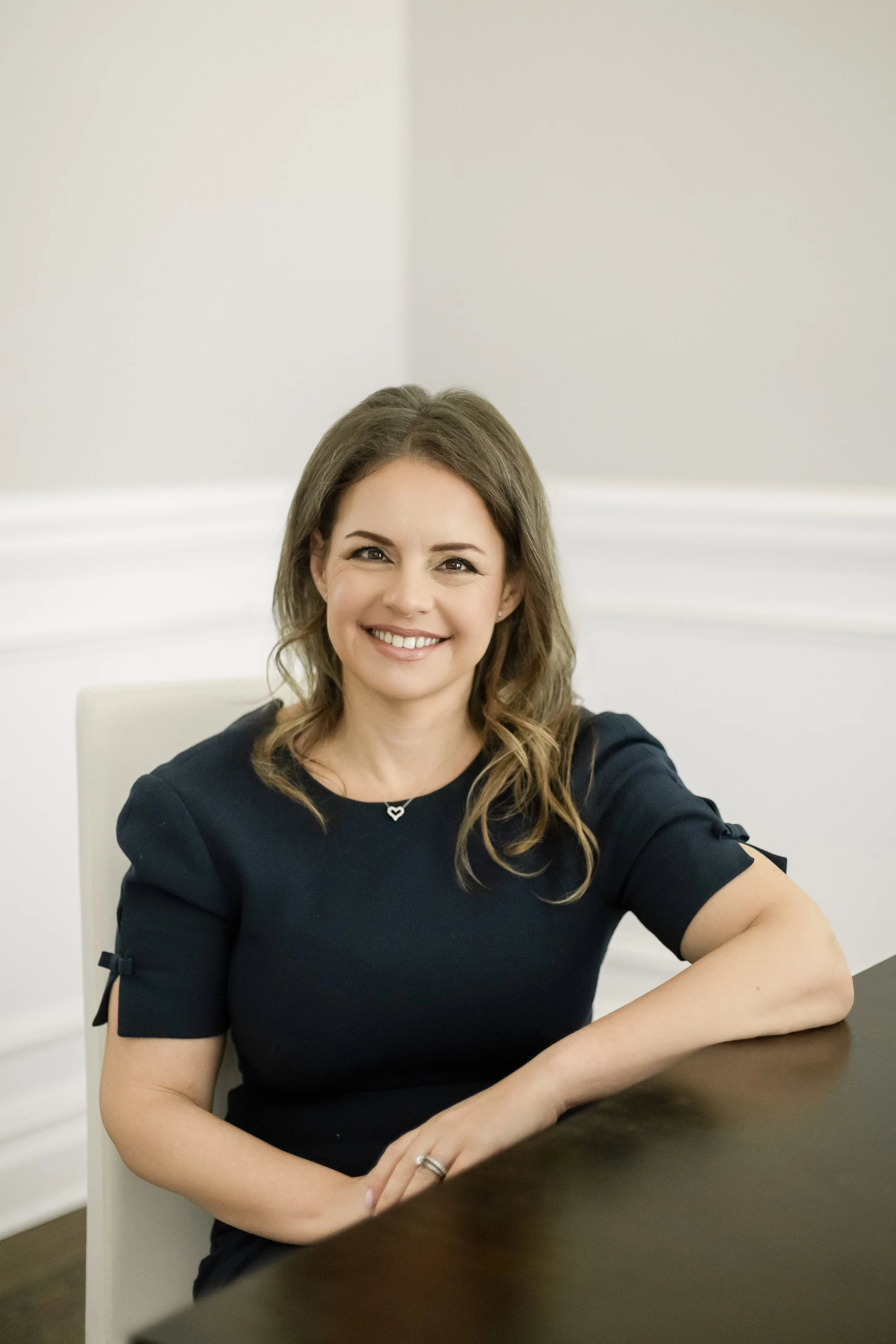
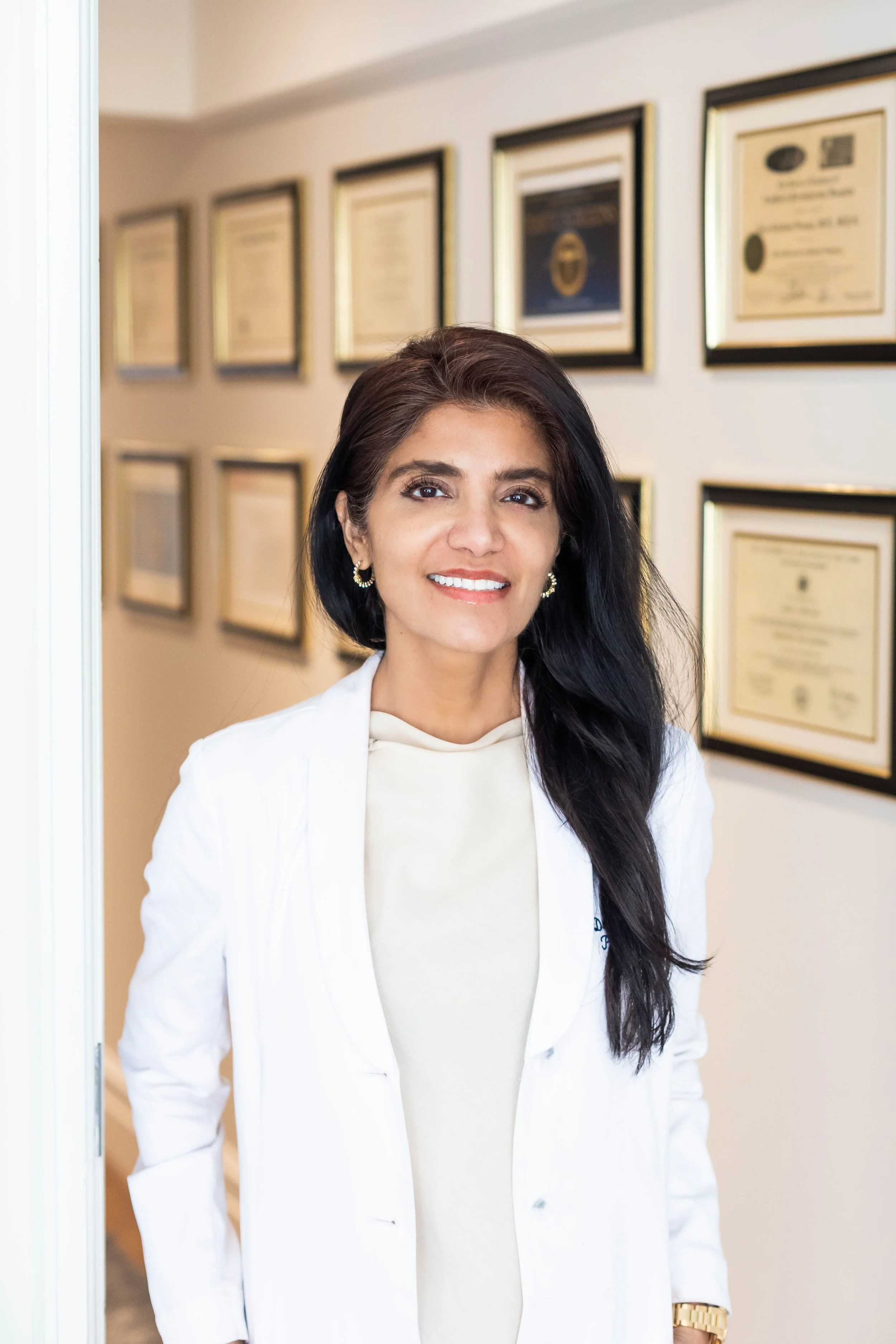
What does it actually take to look refreshed—not overdone—as you age? In this episode of Afterpause, Jill sits down with renowned plastic surgeon Dr. Lara Devgan to demystify plastic surgery and aesthetic treatments for women over 50. They explore facelifts, neck lifts, eyelid surgery, suture suspension, injectables, lasers, biostimulators, and skincare, including how to address tired-looking eyes, puffiness, hollowness, and facial volume loss. Dr. Devgan also shares how to choose the right plastic surgeon, red flags to watch for, and how to create a long-term beauty plan that thoughtfully combines surgery, noninvasive treatments, and evidence-based skincare.
Over 50% of postmenopausal women experience significant hair loss. Most are dismissed by their providers, misdiagnosed, and spending hundreds of dollars on products that deliver no results. Most have never had a proper hair loss workup from a specialist who actually understands the postmenopausal picture.
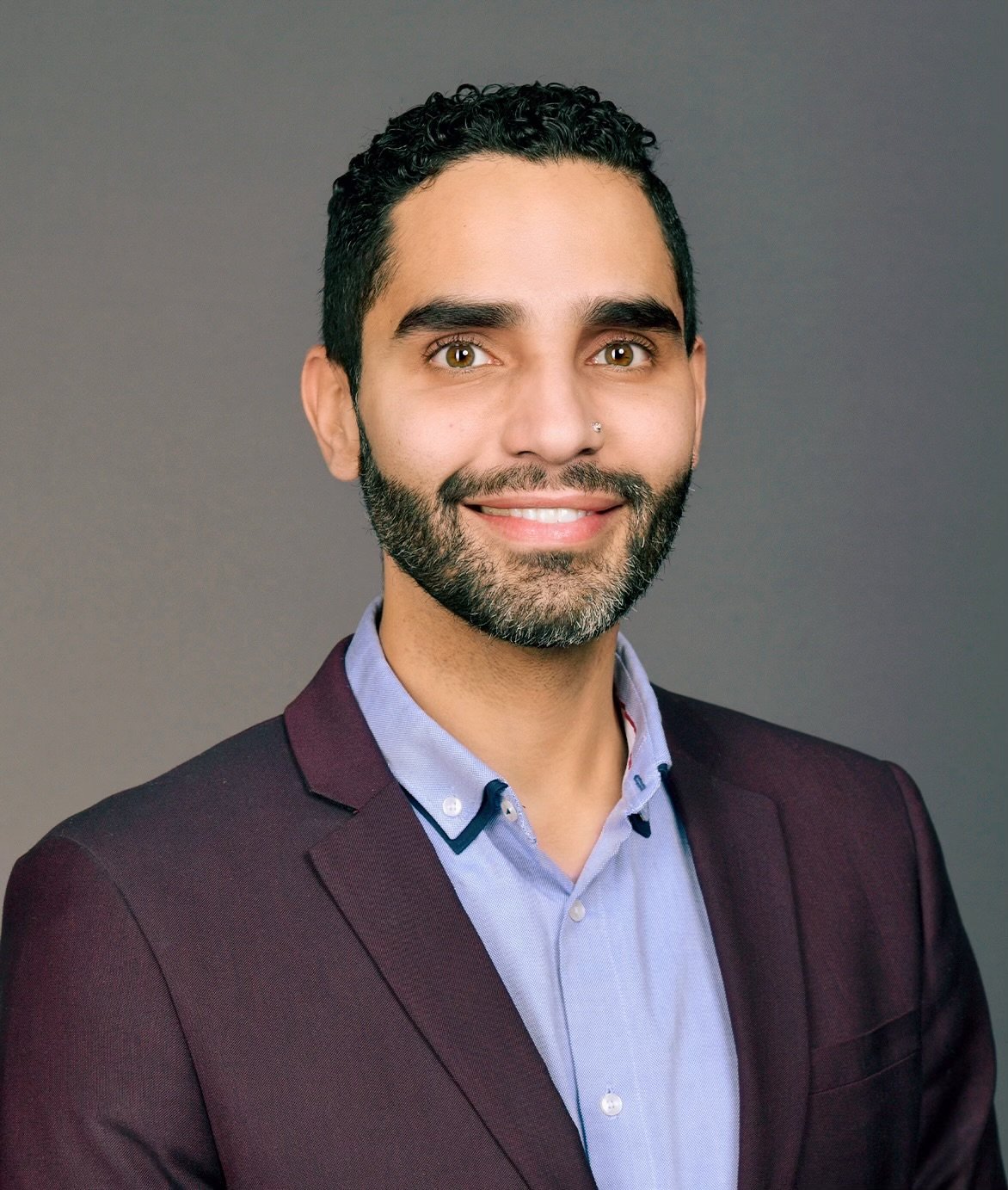
Board-certified dermatologist and hair loss specialist Dr. Omer Ibrahim joins the Afterpause with Jill Foos Podcast for the most comprehensive, evidence-based, and actionable conversation on postmenopausal hair loss you will find anywhere. Dr. Ibrahim treats hair loss every single day, in women, at every stage of the menopausal transition, and he is here to give you the truth that most providers are not telling you.
In this episode we cover the biology of hair loss at menopause and what is actually happening hormonally in your follicles. We break down the specific types of hair loss — androgenetic alopecia, telogen effluvium, alopecia areata — and why getting the right diagnosis changes everything about your treatment plan. We explain DHT and why estrogen loss amplifies its destructive effect on your follicles even when your testosterone has not changed. We walk through the complete lab panel every postmenopausal woman with hair loss should be requesting — including ferritin, full thyroid, DHT, DHEA-S, and more — and when a scalp biopsy is indicated and what it tells you that labs cannot.
We cover the full spectrum of treatment options — in-office treatments including PRP, exosomes, Alma TED, and low-level laser therapy; medications including oral minoxidil, finasteride, dutasteride, spironolactone, and how HRT intersects with hair loss treatment; topicals including Rogaine, compounded formulas 82M, 82F, and 82D, the iPSC exosome topical formula, and rosemary oil.
We cut through the social media overwhelm — scalp serums, caffeine shampoos, Nizoral, Kérastase, The Ordinary Multi-Peptide Serum, Neutrogena Hair Restore, OneSkin OS-Hair, and the Hers minoxidil gummy — with the honest clinical bottom line on what is worth your money and what is not.
And we close with exactly what to do this week if you have been losing hair for years and still have no answers.
Jill also shares her own 30-year hair loss journey and the equation she has built that finally works.
If you have been told your hair loss is just aging and there is nothing to do — this episode will change everything.
Heart disease is the number one killer of women. Not breast cancer. Not ovarian cancer. Heart disease.
And yet most women — and many of their doctors — still don't recognize it in time. Because heart disease in women doesn't look the way we've been taught. No crushing chest pain. No dramatic collapse. Instead: fatigue, jaw pain, nausea, GI upset. Symptoms so commonly dismissed as anxiety or perimenopause that women leave emergency rooms undiagnosed, undertreated, and in danger.
After 29 years as a hockey mom, I've heard the same heartbreaking story too many times. A woman in her 50s. Gone. And her family saying the same thing every time — "it was out of nowhere." It wasn't. Heart attacks don't just show up. They've been brewing for years. No one looked.
That changes today.
In this episode, I sit down with Dr. Jayne Morgan — one of the country's leading cardiologists and a fierce advocate for women's cardiovascular health — to talk about what your doctor may not be telling you, what symptoms you should never ignore, and exactly what to do right now to protect your heart through menopause and beyond.
This is the conversation that could save your life.